
When a garage door starts rattling, sticking, or moving unevenly, worn rollers may be one possible cause. The garage door roller replacement cost depends on the rollers, how many need attention, the condition of the rest of the door, and the work needed to reach and replace them. This guide explains what to ask before you approve the repair and how to plan for it.
Contact Garage Kings to discuss your garage door project
What do garage door rollers do?
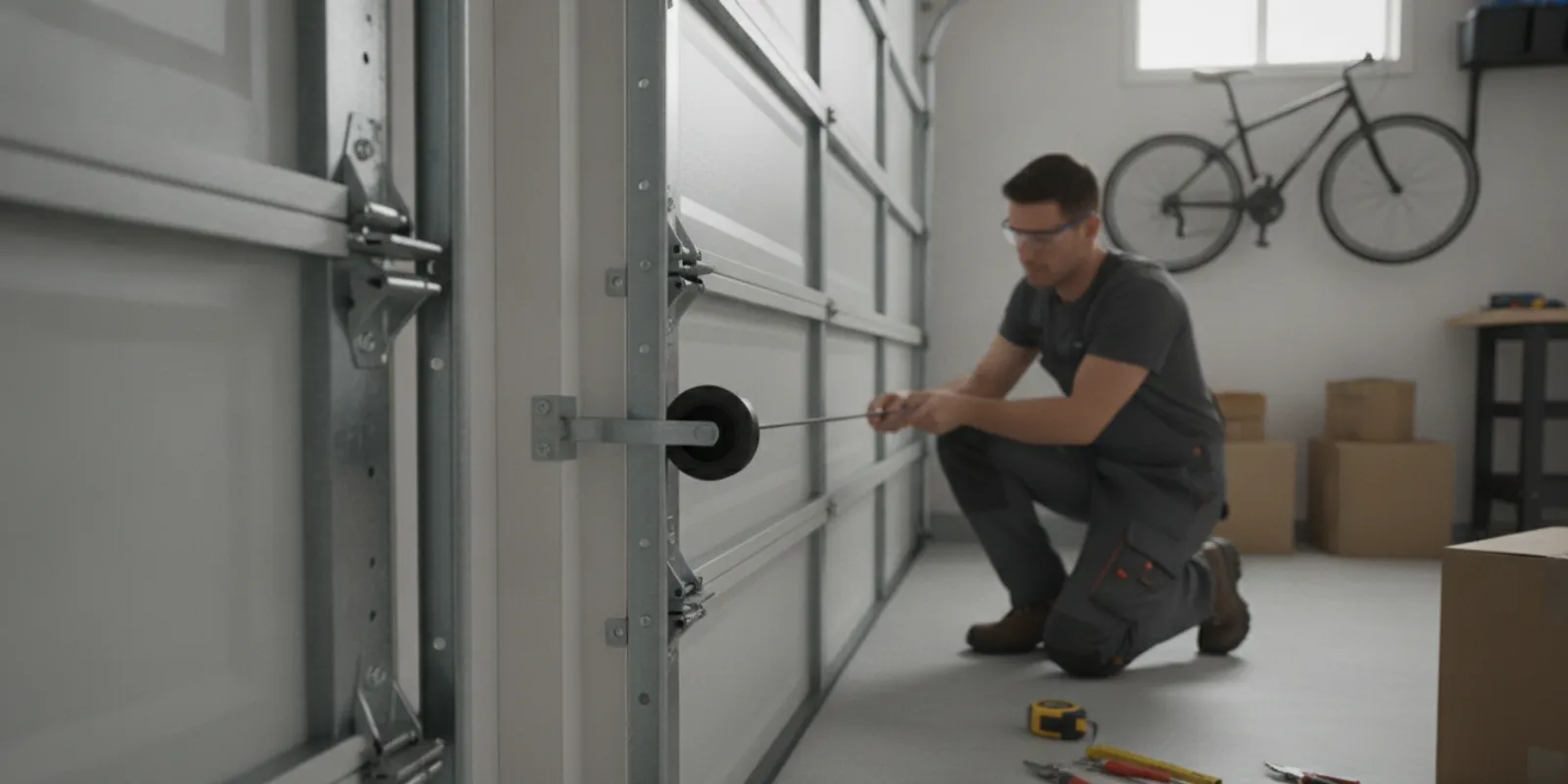
Rollers sit in the door’s track and help guide the door as it opens and closes. They are connected to the door panels by stems or brackets. Their job is to let the door travel along its tracks with controlled movement. Rollers are only one part of a larger system that also includes panels, hinges, tracks, cables, springs, and an opener.
A noisy or rough door does not automatically mean the rollers are the problem. A track that is out of alignment, loose hardware, a damaged hinge, or an issue with a spring or opener can also affect movement. The sound can offer a clue, but it is not enough to identify the cause on its own. A proper assessment should consider the whole door rather than assume that every noise calls for a roller replacement.
If you are learning how the overall system fits together, the garage door service guide is a useful starting point. Garage Kings also has a planning guide to overhead garage doors for homeowners reviewing door features and fit.
What affects garage door roller replacement cost?
There is no single price that applies to every door. A useful quote reflects the actual parts and work involved. Ask the provider to explain the factors below instead of comparing a single headline figure without context.
Roller material and design
Rollers are available in different materials and designs. The appropriate choice depends on the door, its track, and the intended use. A provider may discuss the roller’s construction, wheel design, stem, and compatibility with the existing system. Do not assume that a product with a particular label is suitable for every door. Ask which option is being proposed and why it fits your door.
There is also a difference between replacing an individual roller and changing a group of rollers. If several rollers show wear or the door has a consistent movement issue, the assessment may call for a broader repair. A quote should name the parts being replaced so you can tell whether it covers one roller or several.
Number of rollers and work scope
The number of rollers included affects the amount of material and labor. The scope may be limited to identified rollers, or it may include additional work if the inspection finds related wear or damage. Ask whether the recommendation is to replace only the visibly affected part or a specified set, and ask the provider to explain the reason for the scope.
For example, if the quote includes roller replacement plus track correction or hinge work, those items should appear separately or be clearly described. That makes it easier to understand what is driving the total and to compare proposals on the same basis.
Door condition and access
Door size, construction, condition, and access can change the labor involved. A door that moves unevenly or has damaged track components may require more diagnosis and repair than a straightforward part replacement. Stored items, a parked vehicle, or limited room around the door can also affect how the work area is prepared.
Before scheduling, ask whether the provider needs a clear interior work area and how much space to leave. Do not move or adjust door components to make access easier. Clearing ordinary stored items away from the work zone is different from handling springs, cables, or the door itself.
Related repairs and assessment
A roller can be part of a broader problem. If the track is bent or misaligned, replacing a roller alone may not address the source of poor movement. Worn hinges, loose hardware, damaged panels, or issues with the door balance can also affect how it travels. The quote should distinguish the roller work from any related repair and explain what was observed.
Garage Kings’ garage door repair guide covers common considerations for homeowners. If a quote mentions springs, review the separate homeowner guide to garage door springs and ask the service provider to clarify the concern and recommended work.
How can you compare roller replacement options?
Use the written scope, not just the total, to compare proposals. The table below outlines common quote situations and the questions that help distinguish them. It is not a price list: the work and cost depend on the individual door and assessment.
| Quote scope | What it may cover | What to clarify |
|---|---|---|
| One identified roller | Replacement of a specific roller and basic confirmation of door movement | Why this roller is the focus, whether other rollers were checked, and whether any additional work is excluded |
| Several rollers | Replacement of multiple rollers identified during an assessment | How many are included, which parts are supplied, and why this number is recommended |
| Rollers plus related work | Roller replacement with separately identified track, hinge, or hardware work | Which issue each item addresses, whether each item is necessary now, and the cost assigned to each part of the scope |
| Further diagnosis before repair | Assessment of movement or noise when the source is not yet clear | What the assessment includes, whether it is charged separately, and what approval is needed before further work |
When comparing, check that each provider is discussing the same number and type of rollers and the same related tasks. One quote may cover only the replacement part, while another may include additional diagnosis or repair. Ask about parts, labor, applicable fees, and what is not included. If the provider cannot explain a line item in plain terms, request clarification before deciding.
How do you make two quotes comparable?
Write down the scope from each proposal in the same order: roller quantity, part description, labor, related work, and any assessment or trip charges. Then mark whether each item is included, excluded, or still unknown. This simple comparison helps reveal when two totals describe different jobs. A lower figure may reflect a narrower scope rather than a better price for the same repair.
Ask providers to clarify any difference before you choose. For example, if one proposal includes several rollers and another identifies only one, ask what inspection findings support each recommendation. If one mentions track adjustment and the other does not, ask whether a track issue was observed or whether it is outside the proposed work. The goal is not to request unnecessary parts. It is to understand how the diagnosis connects to the work.
Also ask how approval works if the technician finds another issue after beginning. Find out whether work pauses until you review a revised scope, and whether the provider will explain the additional charge before proceeding. Clear expectations reduce the chance of confusion about the final invoice and make it easier to decide whether the extra work addresses the original symptom.
Keep the quote and any follow-up notes together. If the door still makes the same noise afterward, you can describe what changed and refer to the work that was completed. That record is useful whether the next step is a return visit, a second opinion, or simply monitoring the door based on the professional’s instructions.
What should you ask before approving a quote?
A short set of direct questions can make the scope easier to understand:
- Which rollers are being replaced, and how many are included?
- What did the inspection find that points to those rollers?
- Are any track, hinge, panel, cable, spring, or opener concerns part of this quote?
- Which parts and labor are included in the stated total?
- Are there any additional charges that could apply, and when would I be asked to approve them?
- How long should the work take, and do I need to prepare the garage?
- What should I check after the work is complete, and who should I contact if the door still behaves unevenly?
Get the scope in writing, including the specific parts and any related work. A clear written proposal helps you understand whether you are approving a targeted roller replacement or a larger repair. It also gives you a reference point if the symptom remains after the work.
Can you replace garage door rollers yourself?
Roller replacement may look simple from outside the door, but garage doors are heavy systems with components under tension. A mistake while releasing or moving a component can cause injury or damage. Do not remove track brackets, loosen cables, adjust springs, or try to support a door that is moving unexpectedly. Leave work involving loaded door components to a qualified professional.
If the door is crooked, has come out of its track, is unusually heavy, or has a damaged cable or spring, stop using it and keep people clear of the area. Avoid testing it repeatedly. For general consumer product safety information, consult the U.S. Consumer Product Safety Commission. For door-specific concerns, get guidance from a professional who can assess the system in person.
Some homeowners can safely make the work area accessible by moving stored items away from the tracks and door. That does not mean touching the rollers or hardware. If you are uncertain whether an item is safe to move or whether the door is stable, leave the area as it is and explain the situation when arranging help.
How should you plan the work?
Before arranging an appointment, note the symptoms and when they occur. Record whether the noise happens while opening, closing, or both. Notice whether the door stops, jerks, or appears uneven, but do not continue operating it if the movement looks unsafe. A brief description helps a provider understand what you have observed without asking you to diagnose the cause.
- Describe the symptom. Share what you hear or see, when it started, and whether it has changed.
- Ask for an assessment. Have the provider identify whether the rollers are the cause or one part of a larger issue.
- Review the scope. Confirm the roller count, part details, related repairs, and any exclusions.
- Prepare the area. Follow the provider’s instructions about moving vehicles or stored items. Keep children and pets away from the work zone.
- Confirm the next step. Ask how the completed work will be checked and what to do if the original symptom remains.
If you are weighing a repair against a wider door project, compare the proposed repair with the door’s overall condition and your goals. The garage doors buyer’s guide can help you organize broader replacement questions. For information about Garage Kings’ door-related offerings, see the garage door installation and replacement service page. The best next step depends on the actual condition of your door, not on the symptom alone.
When should you arrange professional help?
Arrange an assessment when the door makes a new or worsening sound, moves unevenly, or does not travel as it normally does. A door that is off track, visibly unstable, or affected by damaged cables or springs should not be operated. Do not try to force it closed or open. Keep the area clear and ask a professional how to proceed.
For a less urgent symptom, still avoid assuming that a roller is the only issue. Describe what you noticed and ask for an inspection of the relevant components. A specific diagnosis can prevent paying for a part that does not resolve the underlying problem.
Contact Garage Kings to discuss your garage door needs
Frequently Asked Questions
How much does garage door roller replacement cost?
There is no universal cost. The total depends on the roller type and quantity, labor, door condition, access, and whether related repairs or additional diagnosis are needed. Ask for a written scope that separates the parts and tasks included.
Should all the rollers be replaced at once?
That depends on the condition of the rollers and the provider’s assessment. Ask which rollers show a problem, how many the quote covers, and why that scope is recommended. Do not assume that replacing one or every roller is right for every door.
Will new rollers stop a noisy garage door?
They may help if worn rollers are the source, but noise can also come from other components or from a door that needs adjustment or repair. Have the door assessed before selecting parts based only on sound.
Can I keep using the door until the appointment?
If the door is crooked, unstable, off track, unusually heavy, or has visible cable or spring damage, stop using it and keep clear. If you are unsure whether it is safe, do not test it; ask a professional for instructions.
What information should I have ready when I request a quote?
Describe the door’s symptoms, when they happen, and any visible changes. You can also ask what details the provider needs. Do not remove covers or touch springs, cables, rollers, or tracks to gather information.
Use the quote to choose a clear next step
Garage door roller replacement cost is easier to understand when the quote names the parts, quantity, labor, and any related work. Ask for an assessment, compare matching scopes, and leave work on loaded door components to a professional. That gives you a practical basis for deciding what to repair and how to plan the job.