
Many homes are built on a concrete slab, a sturdy foundation that’s usually hidden beneath layers of tile, wood, or carpet. But what if you didn’t cover it up? What if you turned that structural element into your finished floor? Embracing the existing slab is a smart, sustainable, and stylish choice. With the right professional finishing, that plain gray surface can be transformed into a beautiful and functional concrete floor. From simple sealants to high-performance coatings that add color and texture, you can create a custom look that’s both unique and incredibly durable, making the most of what your home already has.
Key Takeaways
- Customize your finish: Modern concrete is a blank canvas, not just a gray slab. You can transform its look with stains, polishes, or durable polyaspartic coatings to create a floor that perfectly matches your home's style.
- Sealing is essential for durability: Raw concrete is porous and will stain easily, so a professional sealant or coating is not optional. This protective layer is what makes the floor easy to clean, resistant to damage, and truly long-lasting.
- Balance the pros and cons for your home: Concrete's durability is a huge plus, but its hard and cool surface isn't for everyone. Consider how you use the space and weigh its low-maintenance benefits against your personal comfort needs before committing.
What Exactly Is a Concrete Floor?
When you hear "concrete floor," you might picture a dusty basement or a stark industrial warehouse. But that's only a small part of the story. At its core, a concrete floor is a simple, sturdy surface made from a mix of cement, water, and aggregates like sand or gravel. This mixture is poured to create a solid, flat foundation. In construction, this is often called a slab, and it serves as the base for floors, ceilings, and even roofs. For homeowners, it’s the starting point for a surprisingly versatile and stylish flooring option that works in almost any room of the house.
What many people don't realize is that a basic concrete slab is a blank canvas. It doesn't have to stay plain gray. You can transform its appearance with different finishes, turning a functional surface into a design statement. Options range from a simple seal that gives it a slight sheen to vibrant stains, a high-gloss polish, or protective polyaspartic coatings. If you are comparing a sealer with a garage coating, see our concrete sealer guide for practical fit questions. Each finish offers a unique look and feel, allowing you to match your floor to your home's specific style. We'll get into those different options a bit later.
Beyond its looks, concrete is famous for its durability. It stands up to heavy foot traffic, dropped items, and the general wear and tear of daily life better than most other flooring materials. However, there's a small catch: raw, unsealed concrete is porous. This means it can absorb spills and develop stains over time. That's why sealing or coating the surface is so important. A proper seal protects the concrete from moisture and stains, making it incredibly easy to clean and maintain for years to come.
Exploring Your Concrete Floor Options
When you hear "concrete floor," you might picture a plain, gray slab. But the reality is so much more exciting. Concrete is a versatile canvas, and there are many ways to finish it to match your home's style and functional needs. From simple sealants to high-performance coatings, understanding your options is the first step toward creating a floor you'll love for years. Let's walk through the most popular choices for finishing your concrete.
Sealed Concrete
Think of sealed concrete as the most straightforward and classic option. It’s your home’s concrete foundation with a clear, protective sealant applied over the top. This simple layer acts as a shield, protecting the porous concrete from moisture, dirt, and stains, which is why it’s a great choice for busy areas of your home. While you can leave the concrete in its natural gray state for an industrial-chic look, the sealant also prepares the surface for other finishes. It’s a foundational treatment that preserves the raw beauty of the concrete while making it more practical for everyday life.
Stained Concrete
If you love the durability of concrete but want to add a splash of color and personality, stained concrete is a fantastic choice. This finish involves applying a color stain to the concrete before the final protective sealant goes on. Unlike paint, which sits on the surface, stains penetrate the concrete to create rich, translucent tones that won't chip or peel away. The result is a unique, marbled effect with variations in color that can mimic everything from natural stone to aged leather. Each stained concrete floor is one-of-a-kind, offering a custom look that’s both beautiful and built to last.
Polished Concrete
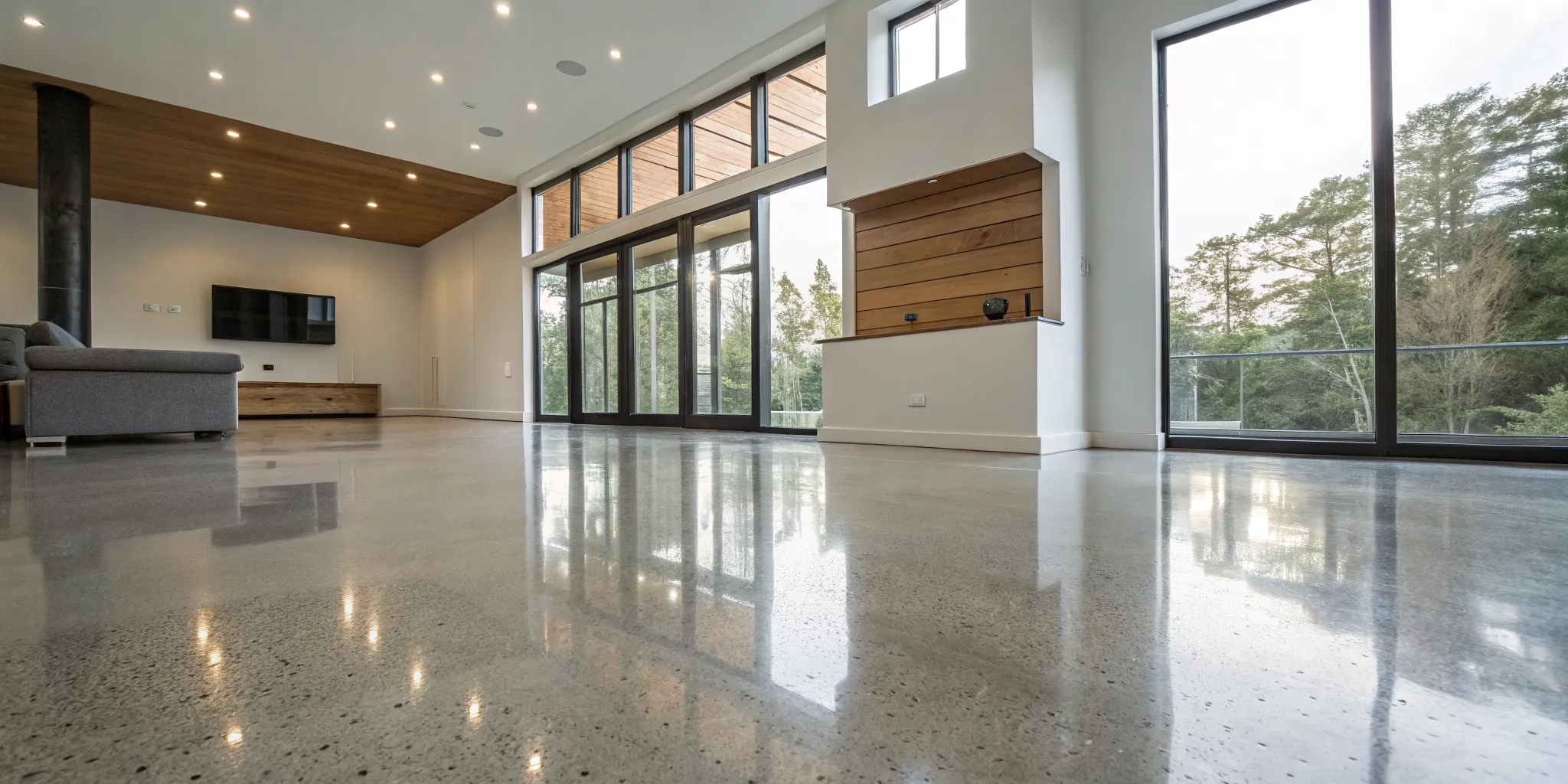
For a truly sleek and modern aesthetic, polished concrete is hard to beat. This finish is created by mechanically grinding the concrete surface with progressively finer grits until it becomes smooth and highly reflective, much like polished marble or granite. The process doesn't involve any coatings; the shine comes directly from the concrete itself. Polished concrete is known for its incredible durability and low maintenance needs. While it’s a more intensive process than simply sealing, the result is a sophisticated, high-end look that brightens up any space by reflecting ambient light. It’s a popular choice for open-concept living areas, basements, and modern homes.
Epoxy and Polyaspartic Coatings
For the ultimate in durability and protection, especially in high-impact areas like garages and basements, look no further than epoxy and polyaspartic coatings. These are multi-layered systems applied directly over your concrete slab. They create a thick, seamless, and incredibly resilient surface that resists chemicals, abrasions, and stains. While epoxy is a well-known option, newer polyaspartic coatings offer even greater benefits, including UV stability (so they won't turn yellow) and faster cure times. This means you can get your garage back in just one day. These coatings come in endless colors and decorative flake finishes, transforming a functional space into a showpiece.
Concrete Overlays and Resurfacing
What if your existing concrete is cracked, stained, or just plain old? A concrete overlay gives you a fresh start without having to tear everything out. An overlay is a thin layer of a cement-based product that is applied directly over your existing slab to hide imperfections and create a brand-new surface. This is an ideal solution for concrete resurfacing on patios, pool decks, and driveways. Overlays can be stamped with patterns to mimic stone or brick, textured for slip resistance, or colored to match your home’s exterior. It’s a versatile and cost-effective way to completely transform the look of your outdoor spaces.
Weighing the Pros and Cons of Concrete Floors
Concrete floors are a big commitment, so it’s smart to look at the decision from all angles. Like any flooring material, they come with a unique set of benefits and drawbacks. Understanding these points will help you decide if the industrial-chic look and feel of concrete is the right fit for your space, whether it’s a basement, patio, or garage. Let's walk through the good, the bad, and everything in between so you can make a choice you’ll be happy with for years to come.
The Pros
The upsides to concrete flooring are significant, which is why it has become such a popular choice for modern homes. From its incredible strength to its surprising design flexibility, here are the main advantages you can expect.
They're Exceptionally Durable
One of concrete's biggest claims to fame is its strength. This material is incredibly tough and can withstand heavy foot traffic, dropped tools, and rolling equipment without showing much wear and tear. When properly installed and sealed, a concrete floor can last for decades, outliving many other flooring types like carpet, vinyl, or even wood. This long-term durability makes it a fantastic investment for high-use areas like garages, basements, and workshops. With professional concrete resurfacing, you can make an already tough surface even more resilient.
Maintenance Is Simple
If you’re tired of high-maintenance floors, concrete is a breath of fresh air. Cleaning is straightforward: a simple sweep and an occasional mop are usually all that’s needed to keep it looking great. Unlike tile, there are no grout lines to scrub, and unlike carpet, you don’t have to worry about deep-set allergens or stains. A properly sealed concrete floor resists spills and dirt, making cleanup quick and easy. This low-maintenance quality is a major plus for busy homeowners who want a beautiful floor without the constant upkeep.
The Design Options Are Endless
Forget the image of a boring, gray slab. Modern concrete floors are a blank canvas for your creativity. The material can be stained, polished, or dyed to achieve a huge range of colors and visual effects, from a warm, earthy terracotta to a sleek, glossy black. You can even have textures and patterns stamped into the surface. With advanced polyaspartic floor coatings, you can add decorative flakes for a terrazzo or granite-like appearance, giving you a custom look that’s both beautiful and incredibly durable.
They Help Regulate Temperature
Concrete has a high thermal mass, which means it can absorb and store heat. In warmer climates, a concrete floor can help keep your home cooler by absorbing ambient heat during the day and slowly releasing it at night. This can lead to more stable indoor temperatures and potentially lower air conditioning bills. While it can feel cool underfoot, this quality is often seen as a major benefit for homes in hot and sunny regions, making living spaces more comfortable during peak summer months.
The Cons
While there’s a lot to love about concrete floors, they aren’t perfect for every situation. It’s just as important to consider the potential downsides before you commit. Here are a few challenges to keep in mind.
They're Hard Underfoot
There’s no getting around it: concrete is a very hard surface. Standing or walking on it for long periods can be tough on your feet, joints, and back. This is a significant consideration for spaces where you spend a lot of time on your feet, like a kitchen or a workshop. While you can soften the impact with area rugs or anti-fatigue mats, the inherent hardness of the floor is something you can’t change. If you have young children, the unforgiving surface can also make tumbles and falls a bit more intense.
They Can Be Slippery When Wet
A smooth, sealed concrete floor can become extremely slippery when it gets wet, creating a potential fall hazard. This is especially true for highly polished or glossy finishes. While this is a risk with many hard flooring types, the non-porous nature of sealed concrete means water tends to sit on the surface. For areas prone to moisture, like entryways, bathrooms, or patios, you may want to consider a finish with a bit more texture or use non-slip mats to improve safety for your family and pets.
They're Prone to Stains Without a Seal
Raw, unsealed concrete is like a sponge. It’s porous and will readily absorb spills, leading to permanent stains from things like oil, wine, pet accidents, or even just water. To prevent this, a high-quality sealer or coating is absolutely essential. Without this protective layer, your floor is vulnerable to discoloration and damage. This is why professional garage floor coatings are so important, as they create an impermeable barrier that protects the concrete from stains and makes it much easier to clean.
They Can Feel Cold
The same thermal mass that helps keep a house cool in the summer can make a concrete floor feel unpleasantly cold in the winter. In colder climates, the floor can leach heat from your feet, making it chilly to walk on barefoot. While this can be offset with area rugs or by installing a radiant heating system beneath the concrete, it’s an important factor to consider for overall comfort. If you love walking around barefoot in the winter, a concrete floor without supplemental heating might not be the coziest option.
How Much Will a Concrete Floor Cost?
Let's talk numbers. One of the biggest questions homeowners have is about the bottom line, and for good reason. The final cost of a concrete floor can shift quite a bit depending on the complexity of the job, your existing subfloor, and, most importantly, the finish you choose. A simple sealed floor will cost less than an intricate, multi-colored stained design.
It's also important to remember that you're not just paying for materials; you're investing in professional labor. Proper preparation, pouring, and finishing are what separate a stunning, long-lasting floor from a DIY disaster. While the initial price might seem higher than some other flooring types, the incredible durability and low maintenance of concrete often make it the more economical choice over the life of your home.
Breaking Down Costs by Floor Type
The great thing about concrete is that its versatility extends to its price point. The final cost of installing concrete flooring really depends on the finish you choose. For a simple and clean look, a sealed concrete floor is the most budget-friendly option, typically running around $4 per square foot. If you want to add a bit of personality with color, stained concrete is a fantastic choice, coming in at about $5 per square foot. For that high-gloss, reflective finish you see in modern homes and galleries, polished concrete is the way to go. It's a bigger investment, ranging from $7 to $10 per square foot, but the result is undeniably sophisticated.
Concrete vs. Other Flooring Costs
So, how does concrete stack up against the usual suspects? When you compare it to other popular flooring options, you might be surprised. While the initial price can be similar to some materials, its longevity makes it a smart investment. For comparison, vinyl plank flooring can cost between $5.50 and $7.50 per square foot with installation. Wood floors are often in the $8.50 to $17.50 range, and tile can land anywhere from $5.50 to $8.50 installed. Even carpet, at around $4.50 per square foot, can't compete with concrete's durability. When you factor in that you won't be replacing your concrete floors in a decade, the long-term value becomes crystal clear.
5 Common Myths About Concrete Floors
Concrete floors have stepped out of the garage and into the spotlight, becoming a chic and practical choice for homes everywhere. But with their growing popularity, a lot of misinformation has popped up. If you're considering concrete, you've probably heard a few things that gave you pause. Let's clear the air and look at some of the most common myths about concrete floors so you can make a decision with confidence.
Myth #1: "Concrete is only for industrial spaces."
This is one of the most outdated ideas about concrete. While it’s true that concrete is a go-to for warehouses and workshops because of its strength, modern techniques have transformed it into a designer-favorite for residential interiors. Forget the image of a drab, gray slab. With today's options, concrete can be stained, polished, and coated to create a stunning, high-end look. A professionally applied polyaspartic coating can add color, shine, and texture, turning a basic floor into a beautiful, seamless surface that complements any style, from minimalist to rustic. It’s durable, hypoallergenic, and anything but industrial.
Myth #2: "Concrete floors are always cold."
It’s true that concrete doesn't retain heat the way carpet does, so it can feel cool underfoot. In warmer climates, many homeowners see this as a plus, as the concrete can absorb heat during the day and help keep the house cooler. However, you’re not destined for a life of cold toes. Area rugs can easily add warmth and softness where you need it most, like beside your bed or in the living room. For the ultimate in comfort, you can even install radiant in-floor heating beneath the concrete, creating a floor that is luxuriously warm and incredibly efficient.
Myth #3: "Concrete floors crack easily."
The fear of a floor full of cracks is understandable, but this myth needs some context. Concrete can develop tiny, hairline cracks over time as it settles, which many people feel adds to its unique, organic character. However, large, structural cracks are not normal. These are almost always caused by an improperly prepared base or a poor installation job, not an issue with the material itself. When a concrete floor is professionally installed over a stable subfloor, it is incredibly resilient. A quality coating will also help protect the surface and conceal minor imperfections, ensuring your floor remains strong and stable for years.
Myth #4: "Unsealed concrete is stain-proof."
This is completely false and a dangerous assumption to make. Raw, unsealed concrete is porous, meaning it acts like a sponge. Spills from oil, wine, acidic foods like vinegar, or even pet accidents can soak in quickly and leave behind permanent stains that are nearly impossible to remove. This is why sealing is not just a suggestion; it's a requirement for any concrete floor in a home. A high-quality sealant or a durable coating creates a non-porous barrier, protecting your floor from spills, moisture, and everyday messes. This protective layer makes cleanup a breeze and is essential for keeping your floor looking its best.
Myth #5: "Concrete floors are high-maintenance."
Compared to many other flooring types, sealed concrete is actually one of the easiest to care for. Think about it: there are no grout lines to scrub, no fibers to trap dust and allergens, and no delicate surfaces to worry about scratching. For daily cleaning, a quick pass with a broom or microfiber mop is all it takes. For deeper cleans, you can simply use water and a mild, pH-neutral cleaner. The durability of a professionally applied garage floor coating also means you’ll spend less time and money on repairs, making it a wonderfully low-maintenance choice for a busy household.
What Does a Concrete Floor Installation Involve?
Putting in a concrete floor is a bit more complex than just mixing and pouring. It’s a precise, multi-step process where every stage builds on the last. Whether you're pouring a brand new slab or resurfacing an existing one, getting the installation right is the key to a floor that looks great and lasts for decades. The process starts long before any concrete is mixed, with careful preparation, and ends with a curing period that is crucial for strength. Let's walk through what a typical professional installation looks like from start to finish.
Preparing the Subfloor
Think of subfloor preparation as the foundation of your new floor. If this step is rushed or done incorrectly, no amount of beautiful finishing will save it. Proper prep is essential for lasting results. First, the existing surface must be completely clean, dry, and free of any old coatings, oils, or debris. Professionals use powerful grinders to create the perfect surface profile. Any cracks or pits are filled, and the entire area is leveled to ensure the final floor is perfectly even. A vapor barrier is also a critical component, especially in basements or garages, as it prevents moisture from seeping up through the concrete and causing damage later on.
Pouring, Finishing, and Curing
Once the subfloor is ready, it’s time for the main event. For a new floor, this involves pouring a high-strength concrete mix. Professionals will ensure the mix is right for the job and may add a slope for drainage in spaces like garages or patios. As the concrete sets, it's expertly smoothed and troweled in a process called finishing. This is where the final texture is created. After finishing, the most patient part of the process begins: curing. Curing isn't just about drying; it's a chemical reaction where the concrete hardens and gains its strength. This can take several days, and it’s vital not to rush it.
DIY vs. Hiring a Pro: What's Best?
It’s the classic homeowner question: can I do this myself? While sealing a small, existing concrete floor can be a manageable DIY project, a full installation is a different story. The work is physically demanding and requires specialized, expensive equipment like industrial grinders and mixers. Professionals save you time, effort, and the headache of potential mistakes. They understand how to properly prep a surface and apply durable garage floor coatings that last. If you're building a new home, it's also smart to tell your builder early on that you want the concrete slab to be your finished floor so they can protect it during construction. For a job this important, hiring a trusted professional is almost always the best investment.
How to Care for Your Concrete Floor
One of the best things about concrete floors is how low-maintenance they are. Forget spending hours on upkeep; a little routine care is all it takes to keep them looking fantastic for years. The key is consistency and using the right techniques, especially since the type of finish you have will guide your cleaning routine. For example, a professionally installed polyaspartic floor coating creates an incredibly durable, non-porous surface that makes cleaning even simpler than with basic sealed concrete. By following a few simple habits, you can protect your investment and ensure your floors remain a beautiful, functional part of your home.
How Often Should You Reseal?
Think of sealer as your floor's protective shield. Over time, this shield wears down, especially in high-traffic areas. Generally, you should plan on resealing your concrete floors every two to five years to maintain their resistance to stains, moisture, and daily wear. Some homeowners in less-trafficked areas might stretch this timeline, while others with busy households or a desire for a constant high-gloss shine might reseal more often. If you notice that water no longer beads on the surface or the finish looks dull, it’s probably time to reapply a coat. This simple step is crucial for preserving the integrity and appearance of the concrete underneath.
Quick and Easy Daily Cleaning
Your daily cleaning routine couldn't be simpler. Start by sweeping or using a dust mop to get rid of dirt and grit, which can act like sandpaper and scratch the surface over time. For a deeper clean, mopping is the way to go. You can use a simple mix of water and a little white vinegar, or a pH-neutral cleaner designed for sealed floors. Avoid using harsh chemicals like ammonia or bleach, as they can strip the sealer and damage the concrete. The goal is to gently clean the surface without compromising its protective layer, keeping your floor pristine with minimal effort.
Handling Spills, Stains, and Scratches
The number one rule for preventing stains is to act fast. While a good sealer provides excellent protection, it’s best to wipe up spills as soon as they happen. Liquids like oil, wine, acidic sauces, or pet urine can penetrate the sealer if left to sit for too long. For tough spots, a little acetone on a rag can often lift the stain without harming the floor. To prevent scratches, use felt pads under furniture legs and avoid dragging heavy objects across the floor. A few preventative measures will go a long way in keeping your concrete looking flawless.
Popular Concrete Flooring Trends
Concrete floors have come a long way from being just a basic foundation. Today, they are at the forefront of interior design, offering a unique blend of industrial chic and modern warmth. If you're considering concrete, it's helpful to know what's popular right now. These trends show just how versatile and stylish this material can be, turning a simple slab into a statement piece in your home. From rich colors to cozy warmth, modern concrete floors are all about combining function with personalized style.
Decorative Finishes and Textures
One of the biggest trends is moving away from the plain, gray slab and embracing decorative finishes. Think of your concrete floor as a blank canvas. You can achieve a huge range of looks with different treatments. Staining can create rich, earthy tones or a marbled effect, while polishing can give you a surface with a mirror-like shine. For the ultimate in durability and style, polyaspartic coatings add a seamless layer of color and protection that stands up to daily life. These finishes allow you to match your floor to any aesthetic, whether your home is modern, rustic, or something in between.
The Luxury of Heated Floors
A common hesitation with concrete is the fear that it will be cold underfoot. But what if you could turn that into a major plus? Radiant floor heating is a popular and luxurious solution. This involves installing heating elements beneath the concrete, which then gently and evenly radiates warmth throughout the room. It’s an incredibly comfortable and efficient way to heat your space, eliminating cold spots and the need for bulky radiators. Because concrete is so good at retaining heat, it works perfectly with these systems, making your floor a cozy and inviting surface, even on the chilliest days.
Eco-Friendly and Sustainable Options
More and more homeowners are looking for sustainable building materials, and concrete floors fit the bill perfectly. For starters, they are incredibly durable. A well-maintained concrete floor can last for the life of your home, which means you won't be replacing it and sending old materials to a landfill. In many cases, you can simply finish the existing concrete slab foundation of your house, which reduces the need for new materials altogether. When paired with low-VOC (volatile organic compound) sealers and coatings, concrete floors also contribute to better indoor air quality, making them a healthy and responsible choice for your family and the planet.
Is a Concrete Floor the Right Choice for You?
Deciding on the right flooring is a big commitment, and concrete brings a unique set of qualities to the table. It’s no longer just for garages and basements; it’s a stylish and practical option for almost any room. But is it the right fit for your home and lifestyle? The answer depends on what you value most in a floor.
Think about how you live in the space. For high-traffic areas like mudrooms, patios, or even a busy kitchen, the durability of concrete is hard to beat. It stands up to pets, kids, and daily life with minimal fuss. However, it's also a very hard surface. If you spend hours on your feet while cooking or working, you might find it leads to fatigue in your back and joints, a point many homeowners discuss when sharing their experiences. Using area rugs can help soften key spots, but the underlying firmness remains.
Aesthetically, concrete is a blank canvas. You can go for a simple, polished look or get creative with stains and textures. But to keep it looking great, that finish needs protection. Unsealed concrete is like a sponge for spills. A quality coating is essential, which is why options like durable polyaspartic floor coatings are so popular. They provide a protective layer that makes the surface incredibly easy to clean and resistant to stains from oil, wine, or pet accidents. Ultimately, if you value longevity, low upkeep, and a modern aesthetic, a professionally finished concrete floor could be a fantastic, long-lasting investment for your home.
Frequently Asked Questions
I'm worried a concrete floor will be too hard and cold for my living room. Can I make it more comfortable?
This is a very common and practical concern. While concrete is firm, you can absolutely make it feel cozy. Using large area rugs in seating areas or bedrooms adds immediate softness and warmth underfoot. For a more integrated solution, installing radiant heating beneath the concrete is a fantastic option. It turns the entire floor into a gentle, efficient heat source, making it wonderfully comfortable even on the coldest days.
My garage floor has some cracks and stains. Can I still get a finished concrete floor, or is it too late?
It's almost never too late. A key part of any professional installation is preparing the existing surface. Experts can repair minor cracks and grind away stains before applying a new finish. For more significant damage, a concrete overlay can be applied to create a fresh, new surface. This preparation is what ensures a beautiful and durable result, so an imperfect starting point is usually not a problem for a skilled team.
How can I tell when my sealed concrete floor needs attention?
Your floor will give you a few clear signs. The most obvious is a dull or worn appearance in areas that get a lot of foot traffic. Another simple test is to spill a few drops of water on the surface. If the water beads up, your sealer is still doing its job. If it soaks in and darkens the concrete, it’s a clear signal that the protective layer has worn down and it's time to reseal.
Why would I choose a polyaspartic coating over a simpler sealed or stained finish?
Think of it as the difference between a basic raincoat and a high-performance jacket. While a simple seal or stain offers good, basic protection, a polyaspartic coating provides a much thicker, more resilient, and completely seamless surface. It offers superior resistance to chemicals, abrasions, and impact, which is why it's a top choice for garages. These coatings also offer more decorative options and cure very quickly, getting you back into your space sooner.
Are concrete floors a good idea for wet areas like basements or patios?
Yes, they can be an excellent choice for these areas, provided they are finished correctly. For basements, a properly sealed concrete floor creates a barrier against moisture seeping up from the ground. For outdoor patios, a professional coating can protect the concrete from the elements. In both cases, you can request a textured, slip-resistant additive in the final coat to ensure the surface is safe even when wet.