
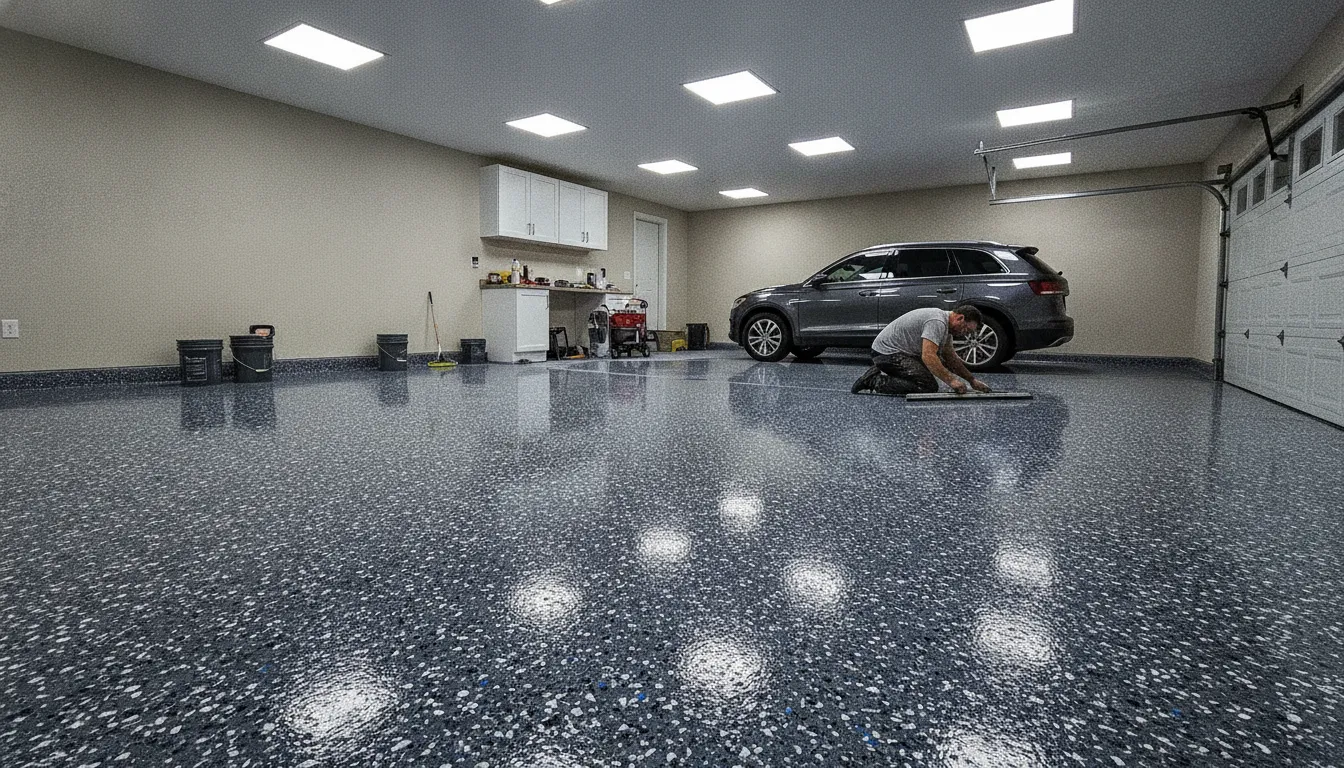
Garage floor coating thickness is measured in mils, or thousandths of an inch, but thickness alone does not tell the whole story. The number of coats, the materials used, and the way the system is installed all affect how well a floor handles vehicles, tools, moisture, and daily wear. For a broader look at the material itself, read our complete guide to polyaspartic coatings. Schedule a free in-home consultation to discuss your garage and see the options with 3D AR visualization.
So, how thick should garage floor coating be? A professional system commonly ranges from about 10 to 20 mils, while higher-build polyaspartic systems can exceed 30 mils. The right choice depends on your garage’s use, desired durability, and warranty tier.
Garage Kings organizes those decisions into 3-coat, 4-coat, and 6-coat systems. Understanding what a coat system means will help you compare performance and long-term value more accurately than thickness numbers alone.
How Thick Should a Garage Floor Coating Be?
A coat system is the planned sequence of materials that builds a garage floor finish from the concrete surface upward. Each layer contributes a specific function.
A professional polyaspartic system commonly includes a primer or base layer, a color and decorative flake layer, and a protective topcoat. The complete build matters more than counting layers alone.
What Does Thickness Do for a Garage Floor?
Total thickness creates a more substantial wear surface between daily garage activity and the concrete below. Greater thickness generally improves impact resistance and extends coating longevity.
That extra material can help the floor handle dropped tools, rolling equipment, vehicle traffic, and repeated cleaning. It also supports the performance homeowners expect from a professionally installed system.
Polyaspartic polymers are valued for durability and resistance to atmospheric, chemical, and biological factors, according to published polymer research.
Polyaspartic coatings also provide UV stability and hot-tire pickup resistance. Read more about why polyaspartic coatings are so popular before comparing system tiers.
How Is Coating Thickness Measured?
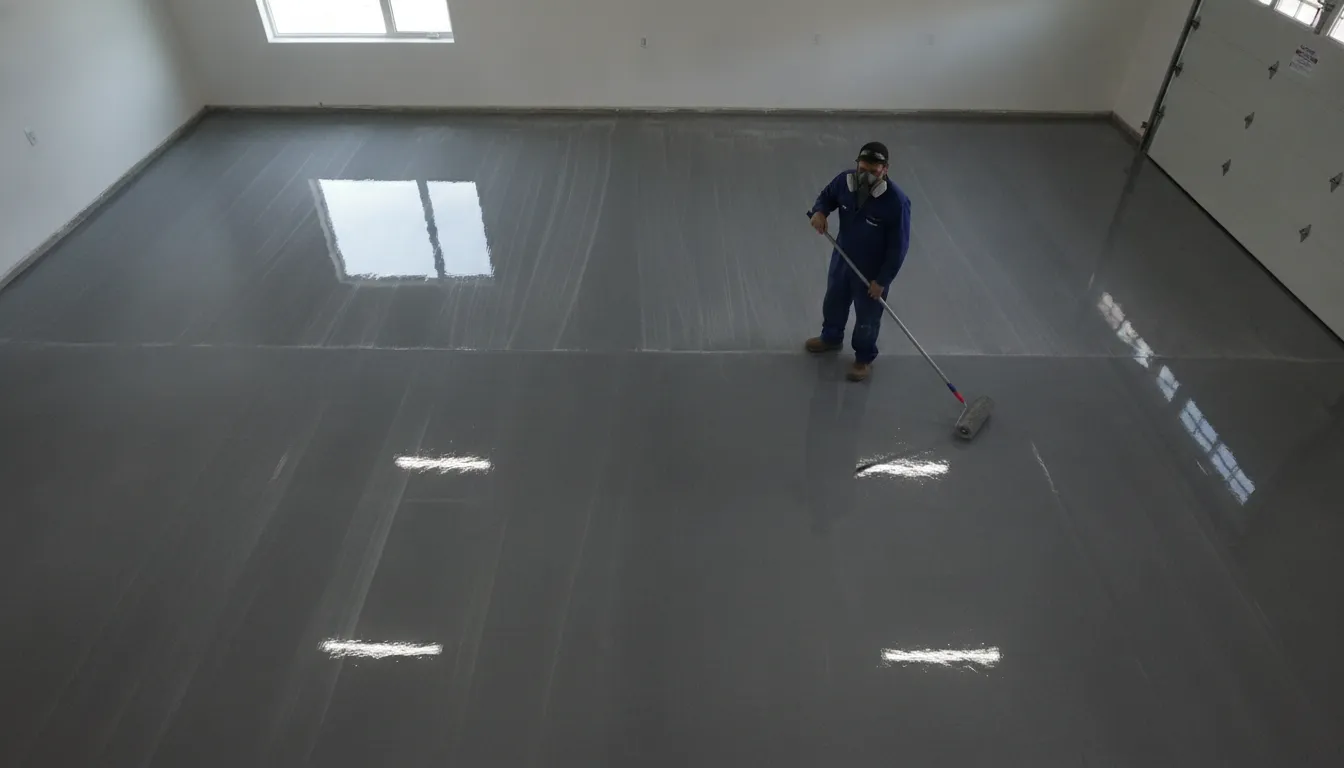
Professionals measure coating thickness in mils. One mil equals one-thousandth of an inch, or 0.001 inch, so mils are not the same as millimeters.
Published technical guidance places professional-grade coatings around 10 to 20 mils, while industrial polyurea and polyaspartic systems can exceed 30 mils.
Other technical guidance reports that most professional polymer flooring systems fall between 20 and 250 mils. The range varies because products, substrates, usage demands, and installation specifications differ.
For that reason, thickness should be evaluated alongside surface preparation, resin quality, layer design, and installer experience. A thick system applied poorly will not perform as intended.
Q: How thick should garage floor coating be?
A: Professional systems typically reach 10 to 20+ mils total build. Thicker systems can add durability, but the right specification depends on the garage and its use.
3-Coat System: What It Includes and Who It Is For
Garage Kings offers three polyaspartic system tiers: 3-coat, 4-coat, and 6-coat. The 3-coat option is the professional entry tier for homeowners who want a durable, finished garage floor without selecting the highest-build system.
What The 3-Coat System Includes
A three-coat installation generally combines a prepared concrete surface with a base or primer coat, a color and decorative flake coat, and a protective top coat. Each layer supports the next, creating a seamless surface for everyday residential use.
- Base or primer coat: Helps establish adhesion across the prepared concrete.
- Color coat: Adds the selected finish and decorative flake blend.
- Protective top coat: Seals the system against routine wear and garage traffic.
Polyaspartic material is 4x stronger than standard epoxy, UV stable, and resistant to hot-tire pickup. Those properties make the system a practical choice for a garage that needs more than a basic painted floor.
Who Should Consider This Tier?
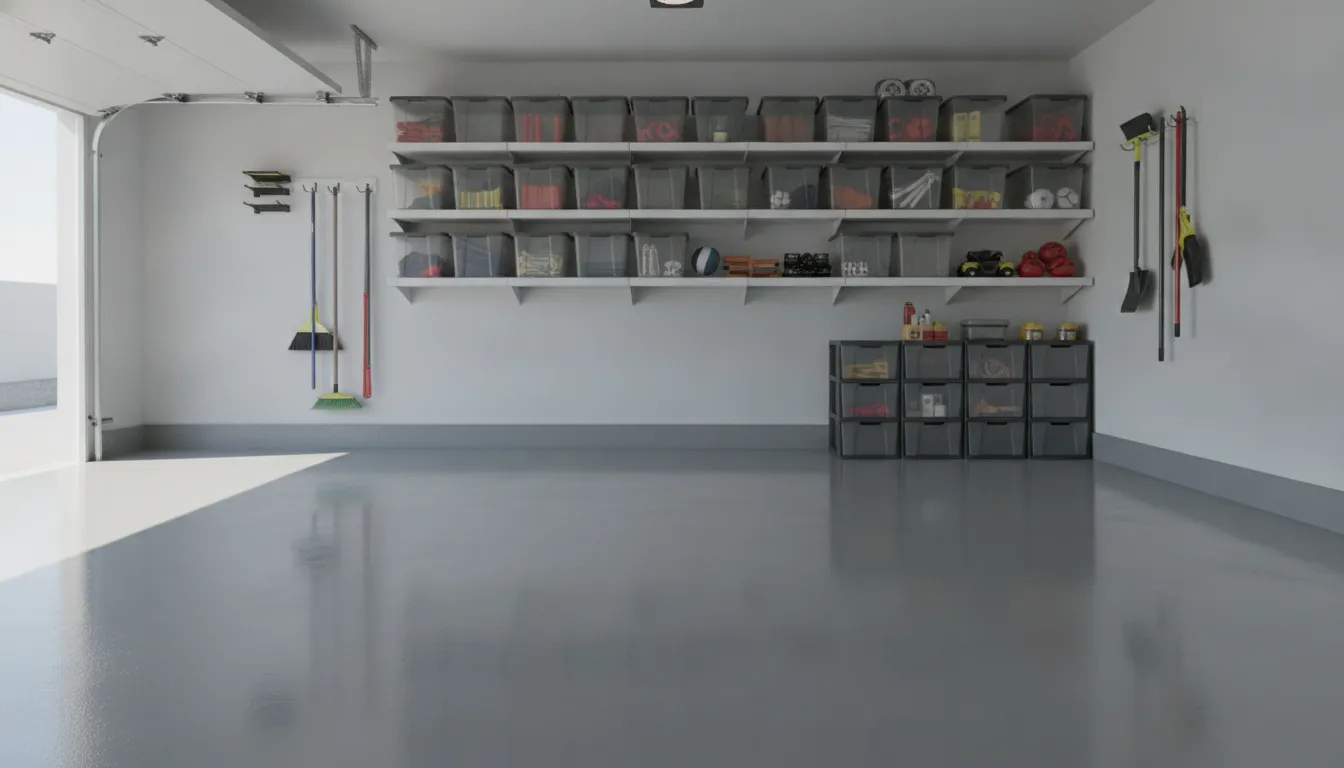
The 3-coat system fits budget-conscious homeowners with lighter-duty garages. It works well for regular vehicle parking, walking, household storage, and occasional projects. It can also suit homeowners who want a cleaner, more organized space without planning for unusually heavy equipment or workshop traffic.
Garage Kings backs the 3-coat system with a 10-year warranty. That coverage gives homeowners a clear expectation for the entry tier while leaving room to compare longer warranty options based on use.
For more detail on material performance and system design, explore our complete guide to polyaspartic floor coating systems.
Q: Is a 3-coat garage floor coating thick enough?
A: Yes. It is suitable for typical residential parking and storage when installed over properly prepared concrete. The system includes a 10-year warranty.
4-Coat System: The Mid-Tier Performance Option
The 4-coat system adds an extra build layer over the 3-coat foundation. That added material creates more protection against daily wear, impacts, and abrasion without moving to the maximum build of the 6-coat system.
What The Extra Build Layer Does
Coat count is one useful way to understand how a garage floor system is built. More build generally supports better impact resistance and longer service life. However, performance also depends on surface preparation, product quality, and professional installation.
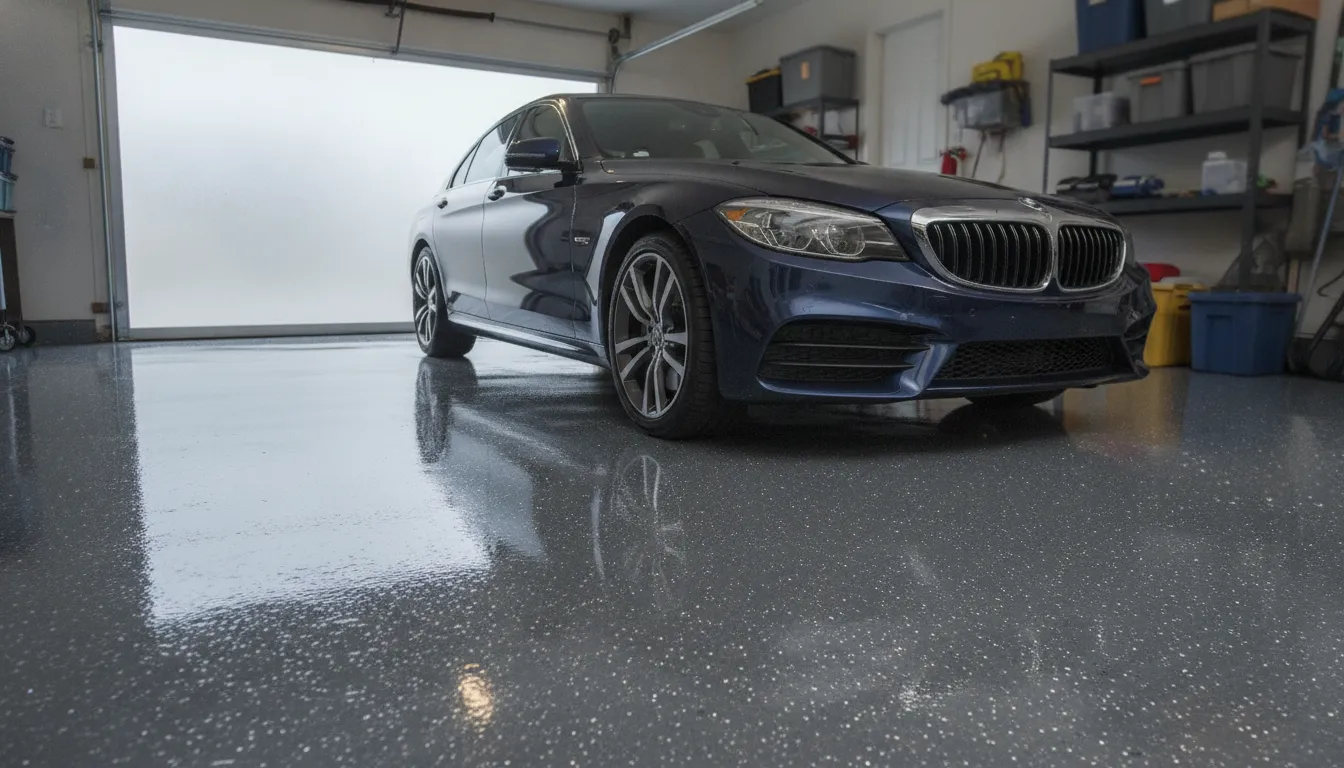
Garage Kings offers three polyaspartic tiers: 3-coat, 4-coat, and 6-coat. The 4-coat option sits between the entry tier and the maximum-durability system. It carries a 20-year warranty, giving homeowners a substantial service-life target for a frequently used garage.
Polyaspartic technology strengthens the system beyond thickness alone. It cures faster than traditional epoxy, resists UV yellowing, and has outperformed traditional epoxy in durability testing. It also provides strong resistance to hot-tire pickup and everyday garage conditions.
Who Benefits Most From A 4-Coat System?
This tier suits homeowners who need more than basic protection but do not require the highest available build. It is a practical fit for garages with steady activity and regular vehicle use.
- Families parking daily drivers in the garage.
- Homeowners using tools, workbenches, or hobby equipment.
- Garages exposed to seasonal temperature changes and harsher climates.
- Households seeking stronger wear resistance with a 20-year warranty.
Q: What does the extra coat in a 4-coat system do?
A: It adds a reinforcement build layer that helps improve impact and abrasion resistance under a 20-year warranty.
When comparing how thick a garage floor coating should be, consider how the space functions every day. A professional can evaluate your traffic, climate, and storage needs before recommending the right system.
6-Coat System: Lifetime Warranty and Maximum Durability
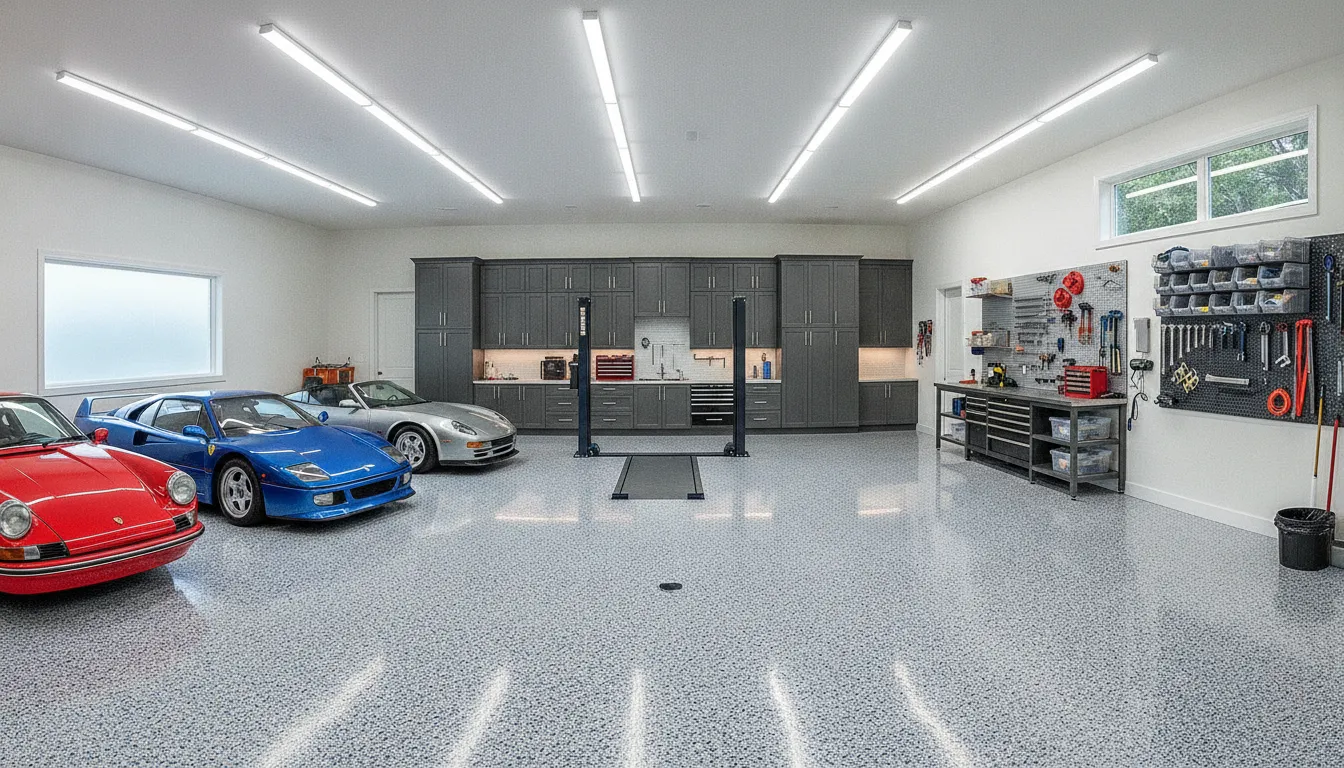
The 6-coat system is Garage Kings’ premium flagship for homeowners who want the strongest, most complete garage floor transformation. It builds a thicker finished surface through multiple coating and protective layers, giving the floor greater resistance to impact and long-term wear.
What The 6-Coat Build Includes
Each layer contributes to the finished system rather than acting as a standalone treatment. The build combines a prepared foundation, performance coating layers, decorative flake, and protective top layers. A greater total build generally improves impact resistance and longevity, although proper preparation and professional installation remain essential.
The system uses premium polyaspartic performance. Garage Kings describes its polyaspartic coating as four times stronger than standard epoxy, UV stable, and resistant to hot-tire pickup. Those properties matter in garages exposed to sunlight, vehicle traffic, tools, and changing temperatures.
- Lifetime warranty coverage for long-term confidence.
- Thicker total build for maximum durability.
- Premium polyaspartic layers with UV and hot-tire resistance.
- Fourteen decorative flake blends for a customized finish.
- One-day installation for less disruption at home.
Who Benefits Most From The Upgrade?
This tier suits garage enthusiasts, heavy-use households, and owners planning to remain in their home long term. It also fits homeowners who want the best possible presentation and durability for a future resale. The lifetime warranty supports that long-range investment, while the finish adds a polished, intentional look.
For a deeper explanation of the material and performance advantages, read our complete guide to polyaspartic coatings.
Q: Is a 6-coat system worth the upgrade?
A: For heavy-use or long-term owners, the added build delivers maximum durability under a lifetime warranty.
How to Choose the Right System for Your Garage Usage
The right coating system depends on how your garage works today and how you expect to use it over time. Thickness matters, but the best choice also balances traffic, impact, warranty coverage, and ownership plans.
| System | Total Build Feel | Warranty | Best For |
|---|---|---|---|
| 3-Coat | Practical professional build for lighter daily use. | 10 years. | Daily driver parking, storage, and routine household traffic. |
| 4-Coat | More substantial build for increased activity and impact. | 20 years. | Workshops, tools, frequent loading, and active family garages. |
| 6-Coat | Maximum durability for demanding use and long-term confidence. | Lifetime. | Heavy vehicles, intense workshop use, and long-term ownership. |
Professional-grade coatings commonly range from 10 to 20 mils. Industrial-strength polyurea or polyaspartic systems can exceed 30 mils. A mil equals one-thousandth of an inch. Therefore, how thick should garage floor coating be depends on the loads and activity the surface must handle.
Heavier use generally calls for a more robust build. A garage used for occasional parking may not need the same system as a workshop with rolling equipment, dropped tools, or heavy vehicles. Higher thickness generally supports better impact resistance and longevity, but installation quality and concrete preparation remain essential.
Match The System To Your Routine
- Daily driver parking: Choose the 3-coat system when the garage mainly houses cars and household storage.
- Workshop and tools: Consider the 4-coat system for regular projects, equipment movement, and added impact exposure.
- Heavy vehicles: A 6-coat system is the stronger fit for demanding loads and frequent vehicle activity.
- Long-term ownership: The lifetime warranty of the 6-coat system may align with keeping the home for many years.
- Resale value: Select a durable, professionally installed finish that presents the garage as a completed part of the home.
For more perspective, review these garage floor coating myths before comparing systems. The best time to install can also affect project planning, especially when weather and garage availability matter.
Q: Which garage floor coating system should I choose?
A: Match the system to your garage usage, expected impact, and how long you plan to own the home. A Garage Kings consultation can evaluate the space and recommend the appropriate build.
Not sure which build fits your garage? Get a free in-home estimate from your local Garage Kings team and see each coat system compared against your own space with 3D AR visualization.
Frequently Asked Questions
How thick should a garage floor coating be?
For many residential garages, professional systems commonly fall around 10 to 20 mils. While heavier-duty polymer flooring can range from 20 to 250 mils depending on the resin and intended use. One mil equals one-thousandth of an inch. The right build depends on vehicle traffic, workshop activity, impact risk, and the condition of the concrete, not thickness alone.
Are 3-coat, 4-coat, and 6-coat systems different in thickness?
Yes. Each tier adds a defined layer to the protective system, creating a different overall build and performance level. Garage Kings offers 3-coat, 4-coat, and 6-coat polyaspartic systems, with warranty coverage that increases from 10 years to 20 years and then lifetime. The best tier should match how you use the garage and how long you want the finish protected.
Does a thicker coating always mean a better garage floor?
Not necessarily. A thicker build can improve impact resistance and longevity, but preparation, adhesion, resin technology, application quality, and the concrete substrate also matter. Polyaspartic systems are UV stable and resistant to hot-tire pickup, so a professionally installed system should be evaluated as a complete assembly rather than by mil count alone.
How do I choose the right coating thickness for my garage?
Start with usage: ordinary vehicle storage may need a different build than a workshop with dropped tools, heavy equipment, or frequent chemical exposure. Then compare the system’s layers, expected performance, and warranty. A Garage Kings professional can assess the slab and recommend the appropriate 3-coat, 4-coat, or 6-coat option during a free in-home consultation.
Ready To Choose The Right Coat System?
The right system depends on how you use your garage and the level of protection you want from your finished floor. Schedule a free in-home estimate with 3D AR visualization so our team can review your space and provide a professional recommendation. Contact Garage Kings to schedule your free estimate and take the next step toward a garage floor built for your needs. Prefer to talk it through? Call us at (302) 545-8490.